The Common Medications That Quietly Work Against Your Bone Density Efforts
Diet, weight-bearing exercise and calcium intake dominate the bone health conversation, and a genuinely important variable gets left out almost entirely — several very common medication categories measurably affect bone density independent of how well someone eats or trains. Here is why certain medications interfere with bone health, which categories matter most, and what to actually do about it. This is general information, not medical advice.

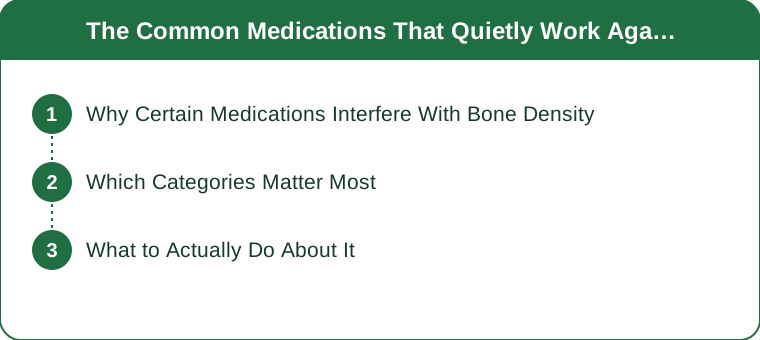
Why Certain Medications Interfere With Bone Density
The underlying mechanisms: the the-hormonal-pathway-interference (the some medications directly altering the hormonal signals — particularly estrogen-related pathways — that regulate bone remodeling, connecting to the same hormone-driven bone loss discussed in the osteoporosis-prevention-guide logic — the hormone-disruption-is-a-major-mechanism), the the-calcium-absorption-interference (the certain medication categories reducing how efficiently the gut actually absorbs dietary or supplemental calcium, undermining intake efforts from the calcium-rich-meals-day logic regardless of how well someone eats — the good-diet-cant-overcome-poor-absorption), the the-direct-effect-on-bone-remodeling-cells (the some medications directly affecting the cells responsible for building versus breaking down bone tissue, shifting the balance toward loss over time — the direct-cellular-mechanism-not-just-indirect), the the-cumulative-dose-and-duration-matters (the effect generally scaling with how long and how much of a given medication has been used, meaning short-term use often carries much lower risk than long-term use — the duration-and-dose-drive-the-real-risk-level), the the-effect-is-often-not-mentioned-at-prescribing-time (the bone density impact frequently being a secondary consideration not prominently discussed when a medication is first prescribed for its primary purpose — the its-a-known-but-under-communicated-side-effect), and the reframe (the medication-bone connection as a real, mechanism-based interaction, not a vague or overstated concern — worth knowing regardless of how strong someone’s diet and exercise habits already are).

Which Categories Matter Most
The medications with the clearest evidence: the long-term-corticosteroid-use (the oral corticosteroids used for extended periods, for conditions from asthma to autoimmune disease, having some of the strongest and most well-documented bone density impact among common medications — the corticosteroids-are-the-most-established-concern), the the-certain-long-term-acid-reflux-medications (the proton pump inhibitors used continuously over years being associated with reduced calcium absorption efficiency in some research — the ppi-use-is-a-common-and-often-overlooked-category), the the-some-hormone-altering-medications (the certain medications that suppress or alter reproductive hormone levels, used for a range of conditions, affecting the same estrogen-related bone-protective pathway relevant to the vitamin-d-bone-partnership logic — the hormone-altering-drugs-share-a-mechanism-with-menopause-related-bone-loss), the the-certain-anti-seizure-medications (the some anticonvulsant medications affecting vitamin D metabolism and bone density with long-term use — the anti-seizure-meds-are-a-less-widely-known-category), the the-not-every-medication-in-a-broad-category-carries-equal-risk (the risk varying significantly by specific medication, dose and duration even within these broad categories, meaning a blanket assumption isn’t accurate either — the specifics-matter-not-just-the-broad-category), and the frame (the highest-relevance categories as long-term corticosteroids, certain long-term acid reflux medications, some hormone-altering drugs, and certain anti-seizure medications — worth knowing about specifically rather than assuming all medications carry equal bone risk).
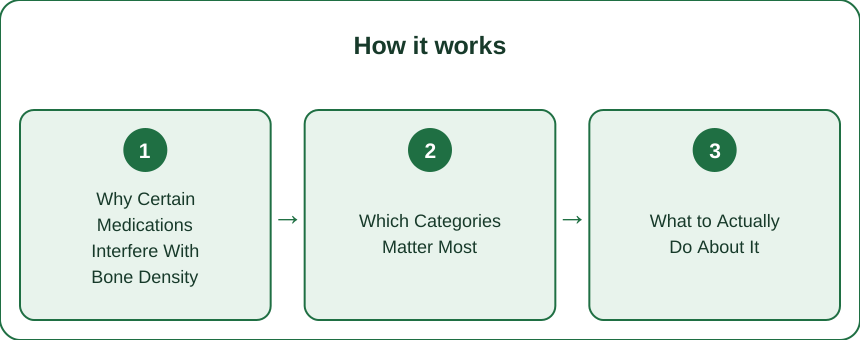
What to Actually Do About It
The practical response: the never-stop-a-prescribed-medication-without-guidance (the medication’s primary benefit typically outweighing bone density risk, meaning the answer is awareness and monitoring, not unilateral discontinuation — the the-medication-is-usually-still-worth-taking), the the-ask-specifically-about-bone-density-when-prescribed-long-term (the directly asking a prescriber whether a medication being used long-term carries bone density considerations, since this isn’t always volunteered upfront — the ask-the-question-that-often-goes-unasked), the the-consider-a-baseline-and-follow-up-bone-density-scan (the a bone density scan, per the bone-density-scan-guide logic, being a reasonable conversation to have with a provider specifically because of a relevant long-term medication — the monitoring-catches-changes-early), the the-reinforce-diet-and-exercise-more-not-less-if-on-a-relevant-medication (the leaning harder into weight-bearing exercise and calcium and vitamin D intake specifically to help offset a known medication-related risk factor — the compensate-with-the-levers-you-do-control), the the-review-medications-periodically-with-a-provider (the a periodic full medication review being a reasonable habit generally, catching cases where a long-term medication’s risk profile is worth revisiting — the periodic-review-catches-what-a-single-conversation-might-miss), and the frame (the practical response as never stopping a prescribed medication unilaterally, directly asking about bone density risk with long-term use, considering monitoring via bone density scan, compensating harder with diet and exercise where relevant, and periodic medication review — awareness and adjustment, not alarm or discontinuation. This is general information, not medical advice.)
Several widely used medication categories measurably affect bone density independent of diet and exercise quality, through mechanisms including hormonal pathway interference, reduced calcium absorption, and direct effects on the cells that build and break down bone tissue — with risk generally scaling with dose and duration of use. The categories with the clearest evidence include long-term oral corticosteroids, certain acid reflux medications used continuously over years, some hormone-altering medications, and certain anti-seizure medications, though risk varies significantly even within these categories by specific drug and duration. The right response is never stopping a prescribed medication without guidance, since its primary benefit usually still outweighs the bone risk, but directly asking a prescriber whether long-term use carries bone density considerations, considering a baseline and follow-up bone density scan when relevant, leaning harder into weight-bearing exercise and calcium and vitamin D intake to help offset the known risk factor, and reviewing medications periodically with a provider. This is general information, not medical advice.
Keep Reading
This article is for general informational purposes only and is not medical advice. Always consult a qualified health professional for guidance specific to you.